

Top 5 Knysna Birds To Tick Off Your List
When staying at Knysna Hollow Country Estate, you’ll be within easy driving distance of this region’s famous and celebrated indigenous forests – home to countless birds, from the commonplace to the mythical – and be able to walk their shaded pathways in search of a few feathered residents.
Additionally, we are also close to the Knysna Lagoon, where aquatic species dwell. In the course of one weekend, you could really make some serious inroads on a birding list, whether you’re a habitual twitcher or simply someone who loves to be observant when in nature.
Here is a list of 5 iconic Knysna birds you can make it your personal mission to see during your stay with us.
1. Knysna Turaco
Why it’s special: Endemic to South Africa and a true icon of the Knysna forests.
Where to see it: Dense indigenous forests like Diepwalle and Jubilee Creek.
Spotting tip: Often heard before it’s seen thanks to its loud “kow-kow” call; once you’ve heard it, look out for vivid green and red plumage gliding between the trees.
With its bright feathers, and bold personality, the Knysna Turaco is arguably the crown jewel of our region’s birdlife. Endemic to South Africa and a proud icon of the Garden Route, this bird is a must-see for anyone exploring the local forests. (Just look at our property’s logo!)
Early mornings and late afternoons are ideal for sightings when these shy birds are more active. If you don’t spot one, however, don’t be too disheartened. They are notoriously elusive and good things come to those who wait – especially in birding.

2. African Fish Eagle
Why it’s special: One of Africa’s most iconic raptors with a striking call
Where to see it: Around the Knysna Lagoon, estuaries, and rivers
Spotting tip: Listen for its loud, ringing cry – often perched in tall trees near water
The unmistakable cry of the African Fish Eagle is often described as the sound of Africa itself. With its white head, chestnut body, and piercing gaze, this majestic raptor adds drama and beauty to Knysna’s waterways.
Look for it perched high above the Knysna Lagoon or estuary, scanning for prey. Though readily seen throughout southern Africa, one never tires of watching this skilled hunter swoop down to snatch fish from the water with precision.
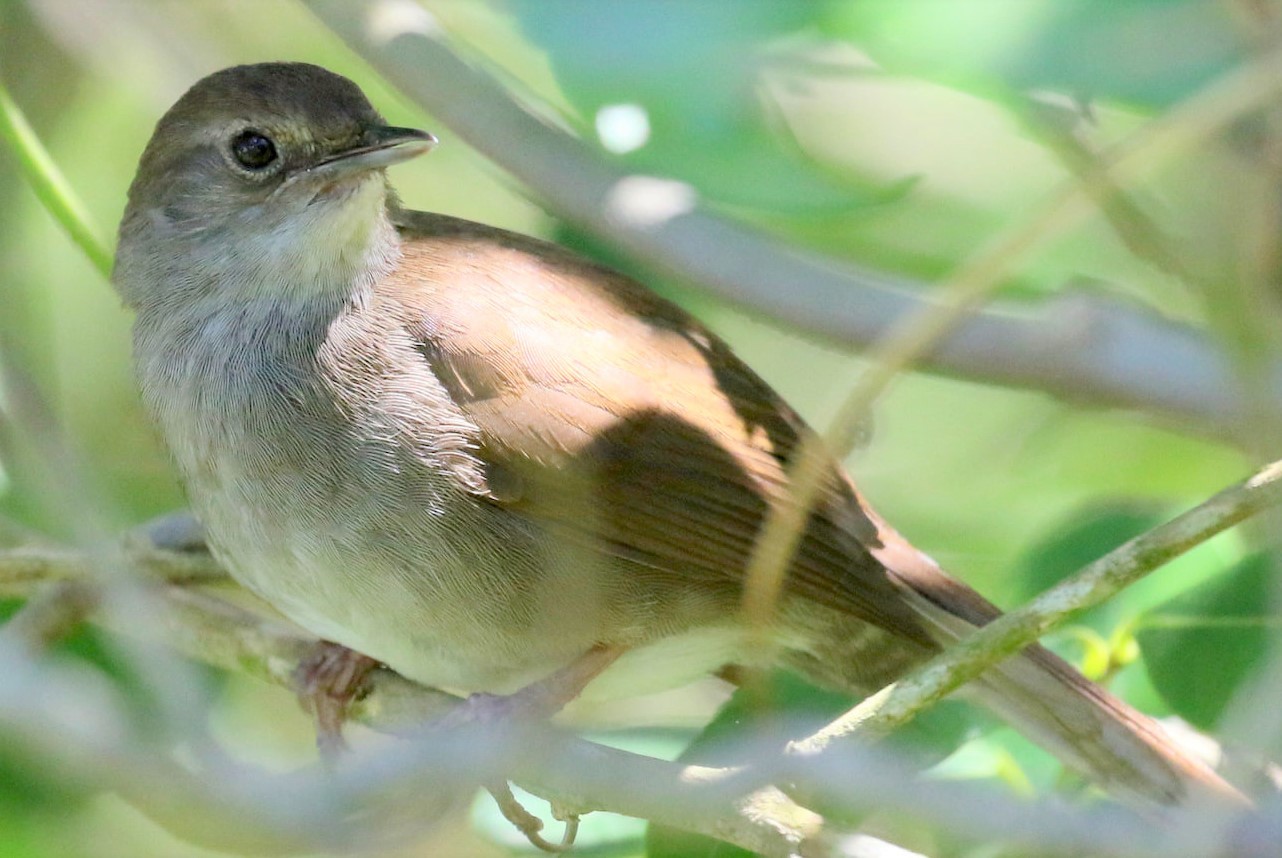
3. Knysna Warbler
Why it’s special: A secretive, endangered species found only in a small part of the Garden Route
Where to see it: Thickets and forest undergrowth near Knysna, especially in the Goukamma and Diepwalle areas
Spotting tip: Very shy – often identified by its distinctive, rapid trilling song rather than by sight
Elusive and endangered, the Knysna Warbler is a real treasure for those with patience and sharp ears. It’s a small, brown bird that prefers to remain hidden in the undergrowth, making sightings rare but rewarding.
The best places to search are thick forest fringes and riverine thickets in reserves like Goukamma and Diepwalle, especially in the early morning. Its shy nature and limited range make it one of the most sought-after Knysna birds for serious birders
Are you up for the challenge?
4. Malachite Kingfisher
Why it’s special: A tiny, jewel-like bird with electric plumage
Where to see it: Along the edges of still or slow-moving freshwater – ideal spots include the Knysna Lagoon’s quieter inlets and riverbanks
Spotting tip: Perches low over water – watch for a quick blue flash as it darts for prey
Like a flicker of blue over the water, the Malachite Kingfisher is a tiny burst of brilliance. With shimmering blue and coppery-orange plumage, this little bird is both beautiful and busy.
They are relatively common to spot, with the reward lying in the enjoyment of their beauty. They perch low on reeds or branches, waiting for the perfect moment to dart into the water after small fish or aquatic insects.
You might also spot the Pied Kingfisher, a monochromatic relative to the Malachite Kingfisher, around the same areas.
5. Cape Batis
Why it’s special: A charming little flycatcher with a striking black chest band and lively personality
Where to see it: Forest edges and wooded gardens, including parks and trails – maybe even on our grounds
Spotting tip: Active and curious – often seen flitting around between low branches
The Cape Batis is a sweet little addition to any birding walk. Recognisable by its black chest band, soft grey back, and lively demeanor, it’s often one of the first forest birds you’ll encounter in Knysna.
Look for it at the forest’s edge, in wooded gardens, and along shady trails where it flits about the lower branches. Friendly and curious, this little flycatcher sometimes seems just as interested in you as you are in it. It’s a great species for beginner birders and a great addition to anyone ticking off Knysna birds.

Stay With Us
If you’re planning to explore the forests, lagoons, and nature trails in search of Knysna birds, there’s no better place to base yourself than Knysna Hollow Country Estate. Nestled on an expansive property outside of town, our hotel offers comfortable, contemporary accommodation set in lush indigenous gardens teeming with birdlife.
Ask our team for local birding tips or recommendations; we love sharing our knowledge of the region. After a day in the forest, return to relax with a drink by the fireplace or a swim in the pool.
Book via our online booking platform or contact our reservations team on reservations@knysnahollow.co.za for a personal hand in securing your dates.
We’ll make twitchers of you yet!